How a regional conflict is causing a global supply chain breakdown
What you’ll learn in this article:
- How aluminum supplies and prices have suffered from the conflict.
- Which other industries are already scrambling to minimize the war’s impact.
- What all business leaders can do to assess their own risk exposure.
🎯 Best for: VPs and directors of procurement, supply chain strategists, industry lobbyists and representatives.
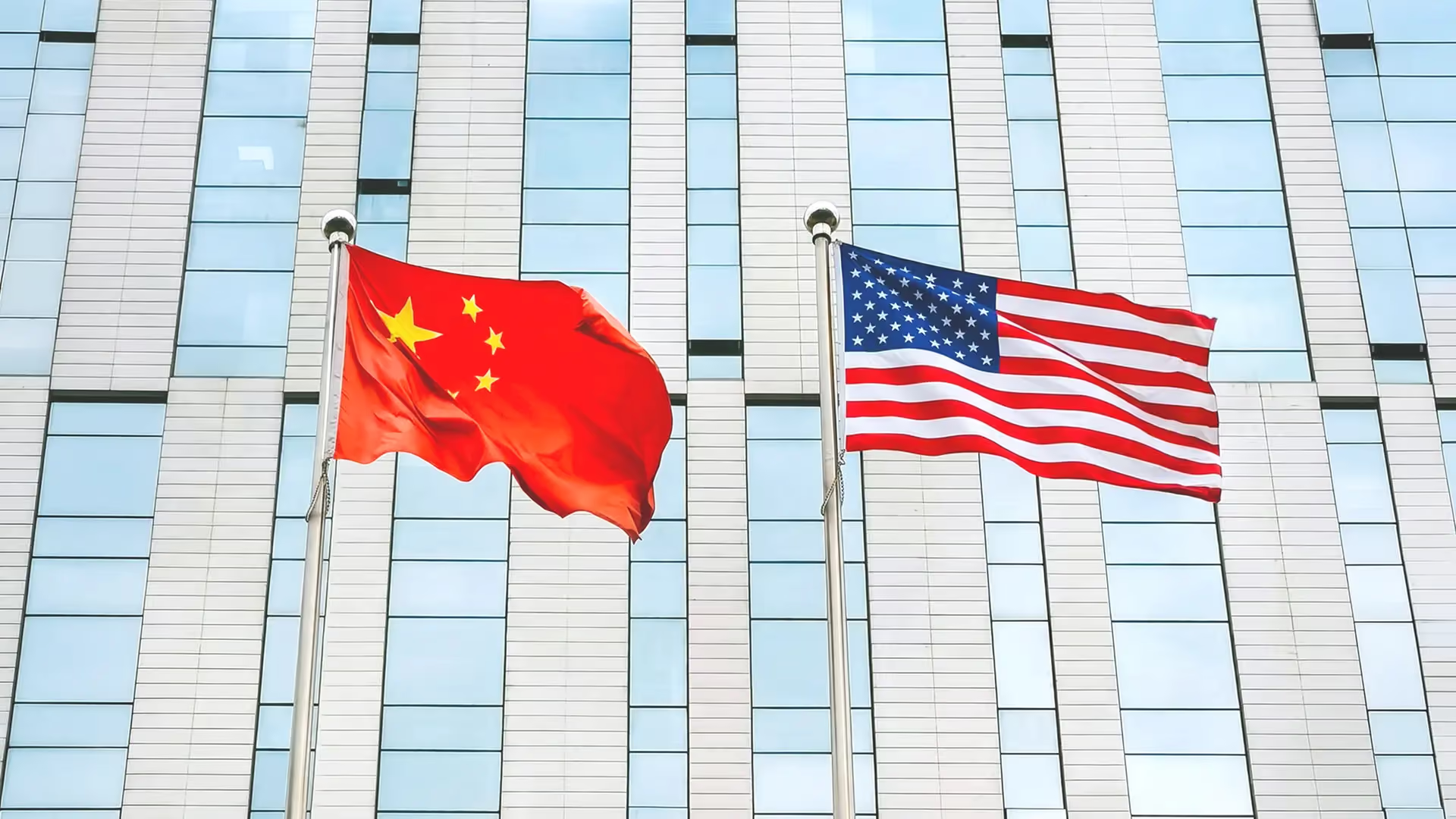
The United States - Israel - Iran conflict, now in its fourth week, is putting imports at risk for multiple sectors of the U.S. economy as the war delays shipments and increases insurance costs for everything from aluminum to women’s wear.
The United States imports more than just oil from the Middle East, as the region is also a major exporter of products such as aluminum and fertilizer. Other industries with a presence in the region, such as textiles and clothing, are scrambling to reroute shipments through secure ports and control fast-rising shipping and insurance costs.
“The fighting may be confined to the Middle East, but the shockwaves of this war are truly global,” says ImportGenius founder and CEO Michael Kanko. “The closure of the Strait of Hormuz, combined with attacks on other countries’ ports, are putting supply chains at risk in all parts of the world.”
And observers are warning that, even if the war ends soon, its impact on shipping routes, costs, and supplies will be felt for months to come.
Qatari aluminum imports flatline in war’s aftermath
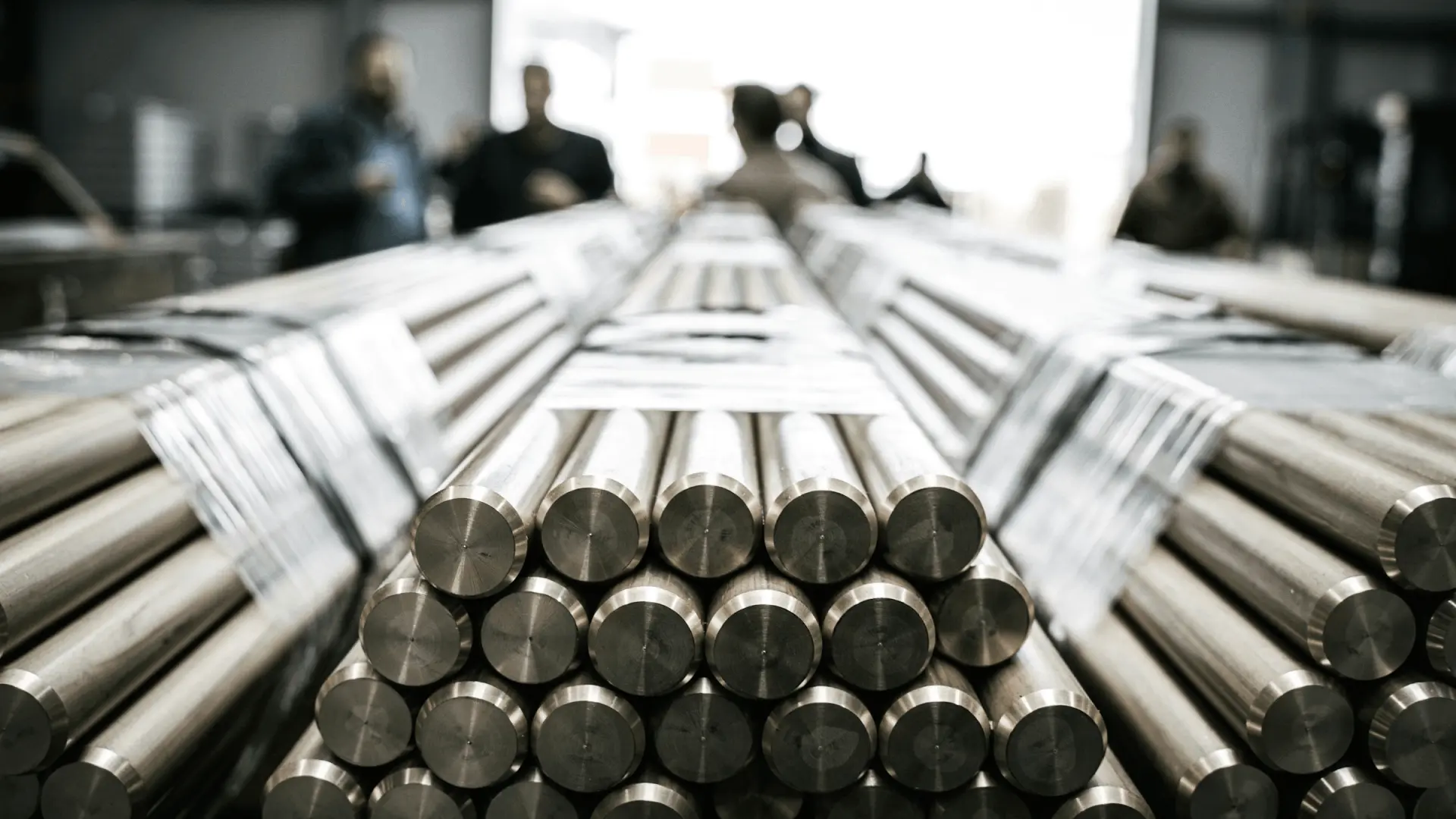
Middle East countries including Qatar, Bahrain and the United Arab Emirates account for some 22% of all U.S. aluminum imports. Data from ImportGenius shows that aluminum imports to the United States from Qatar have essentially come to a standstill in the weeks since the war began, and are expected to remain there.

Aluminum shipments from elsewhere in the Middle East are expected to slow given the closure of the Strait of Hormuz. Since the outset of the war the price of aluminum has risen to more than $3,500 per tonne, its highest in four years.
“The reduced shipments and price spikes are just the beginning,” explains ImportGenius CEO Michael Kanko. “Some Qatari aluminum companies are operating smelters at reduced capacity because they can’t move their goods to market. If they are forced to shut them down completely, restarting them can take up to a year.”
Supply-chain shocks to hit U.S. farmers, retailers and more
Beyond aluminum, multiple other sectors of the U.S. and global economies are being rattled by the war, which currently has no clear end in sight.
- The Middle East supplies 15% of fertilizer imports and 30% of ammonia imports to the United States, both key inputs for American farms. The American Farm Bureau Federation says many farmers may not obtain the fertilizer they need for spring planting.
- South Korea has cut its jet fuel imports to the U.S. by 50% over last year. With many California jet fuel refineries shuttered, the lack of imports will impact the cost and availability of air travel.
- Fashion retailers ranging from The Gap and JC Penney to Levi’s and Adidas, who depend upon a variety of port arrangements across the Middle East, are seeking to reroute shipments through safer ports as insurance costs spike.
The shipping industry itself is also feeling the effects. Saudi Arabia has launched an initiative to reroute Gulf cargo to its Red Sea ports. And the Swiss-based logistics conglomerate MSC Group recently declared end-of-voyage for shipments headed to the Gulf region, with charges of $800 per diverted container.
Your industry might be next
The full scale of the war’s disruptions remains unclear — and could reach far wider than they already have. A shortage of fertilizer could result in higher food prices, which would impact food processors, grocers, and restaurants. Higher jet fuel prices will impact air travel first, followed by hotels, car rentals, and tourism.
Even if the war ends quickly, a return to business as usual will be delayed: insurance costs will remain high, output will have to ramp back up, and inventory backlogs will need to be cleared. Those problems will also represent opportunities for new supply chain relationships that can minimize those disruptions, such as through shorter distances and overland travel.
“The longer this war goes on, the more supply chains it will disrupt, and the longer those disruptions will last,” says Kanko. “Companies need to exercise lots of foresight right now to imagine the many ways this conflict could impact their business, and start making plans to shore up their operations.”
[CT1]

Can your business absorb the shock of war?

Can your business absorb the shock of war?


More blogs & reports

.avif)