U.S. imports from China are down 23% in H1 2026, but the country still dominates critical consumer and industrial categories
What you’ll learn in this article:
- How America’s trade with China has evolved since the start of President Trump’s second term.
- Which industries have weathered the tariff wars, and which have not.
- What to expect from Xi Jinping’s upcoming meetings in Washington DC.
🎯 Best for: Business planners and strategists, supply chain managers, VPs of Procurement.
As U.S. President Donald Trump prepares to host Chinese President Xi Jinping on September 24, America’s efforts to reduce its trade dependency on China are reshaping supply chains, but the results vary dramatically by industry, according to U.S. Census data analyzed by ImportGenius.
The data shows that total U.S. imports from China are down 23% in the first 6 months of 2026 compared to the same period last year. China continues to dominate the market for products such as children’s goods and some crucial industrial inputs. But China’s dominance in other areas — particularly the lucrative computer industry — is experiencing significant decline.
“China still has a chokehold on the supply of certain goods, but in other areas it has now lost substantial ground,” says ImportGenius CEO Michael Kanko. “The data shows that some global supply chains are being reorganized right before our eyes.”
On the decline: computers, electronics, aluminum goods
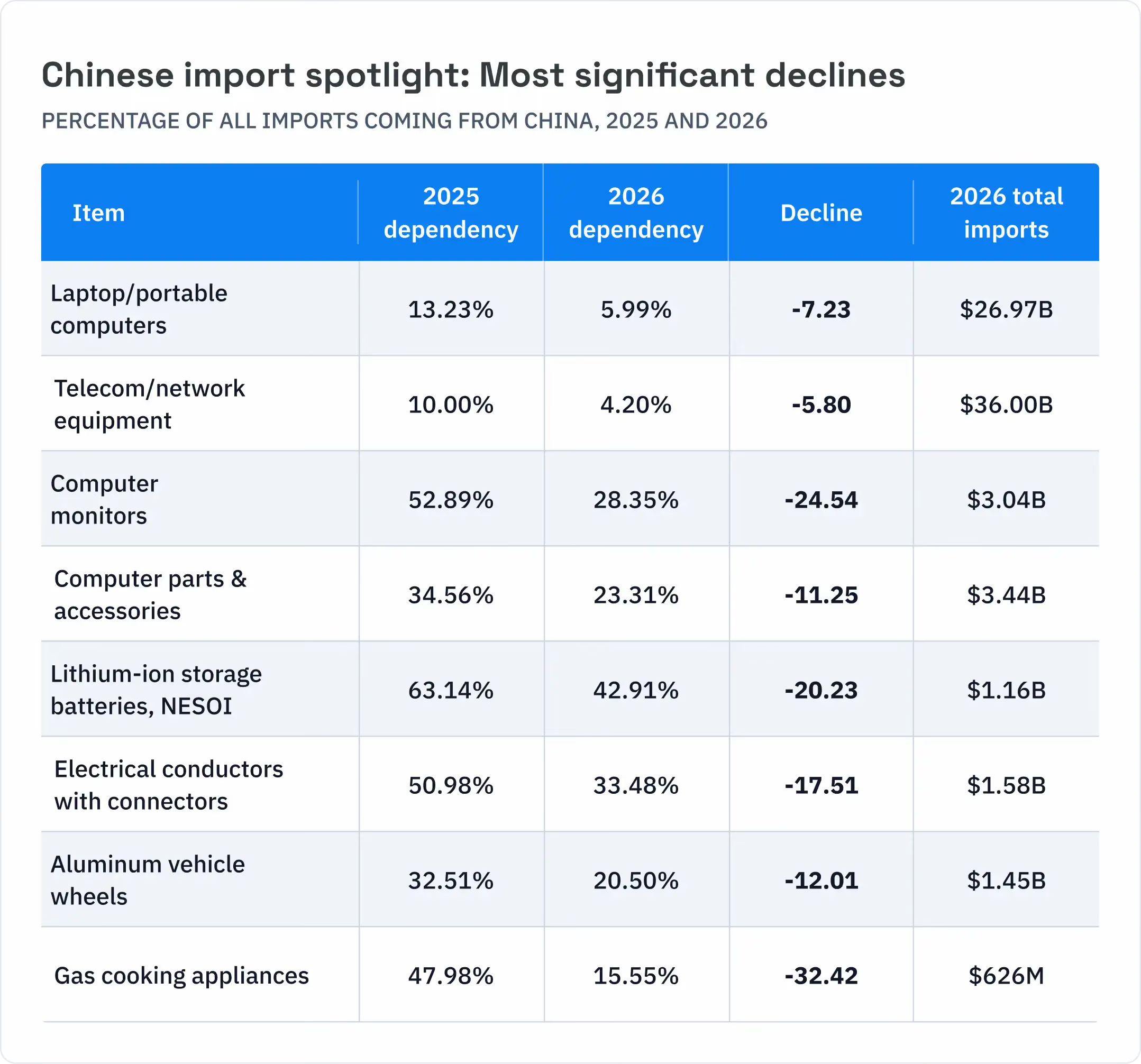
During the six-month period from January to June 2026, China’s role as a source of computers, computer accessories, and electronic equipment for the United States has continued to erode. The table below shows some of the largest declines for the most significant import categories by value.

In addition to electronics, the table shows that American businesses and consumers are also finding new sources for such products as aluminum wheels, gas-powered appliances, and lithium-ion batteries. Countries such as Mexico and Vietnam have stepped in to make up the shortfalls.
“In essence, for computers and everything that connects to them, China now accounts for less than 50% of total U.S. imports,” says Kanko. “It’s a remarkable shift that’s taken place in only about two years.”
Still made in China: Kid stuff, microwave ovens, herbicide
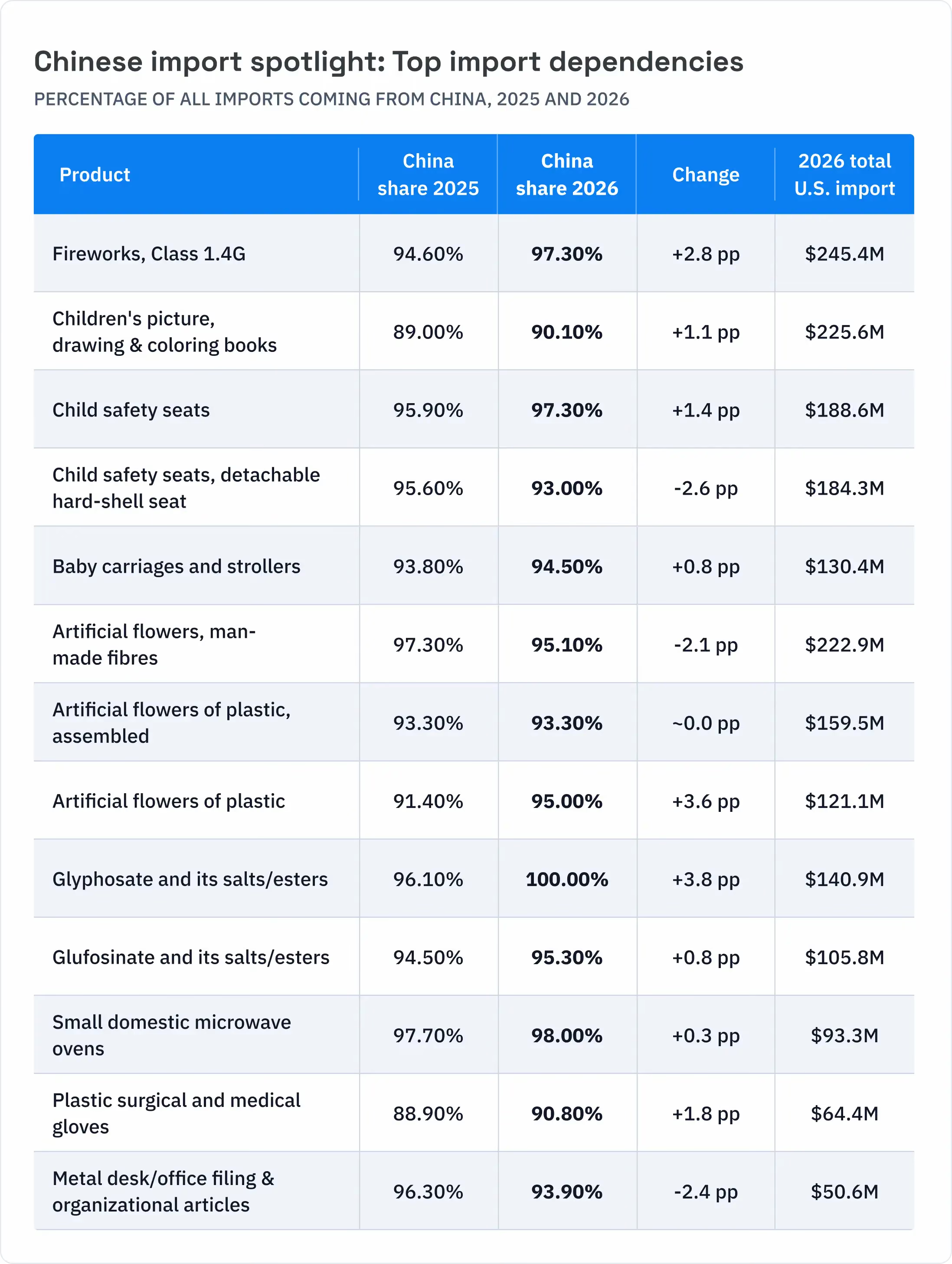
Meanwhile, China still dominates some other import markets, most notably for anything to do with children’s transportation — from strollers to car seats — as well as children’s books. It remains impossible to raise a family in America without Chinese goods.
As the table below shows, China also provides more than 90% of America’s total imports for multiple other high-value categories, from fireworks to artificial plants to microwave ovens. And its dominance in some industrial inputs, such as glyphosate and glufosinate, has raised national security alarms.

Glyphosate and glufosinate are broad-spectrum herbicides. Glyphosate, the active ingredient in Roundup, is manufactured in the United States by Bayer. The company recently petitioned for antidumping and countervailing duties against Chinese glyphosate, prompting the U.S. International Trade Commission to launch an investigation.
Global trade is changing in real time
This latest data on U.S.-China trade underlines two of the themes in ImportGenius’ Global Trade Outlook report from earlier this year. First, America’s trade diversification is real, but still evolving — and creating opportunities as supply chains adjust. Second, trade data has become a leading indicator for signaling competitive shifts and policy impacts.
That next policy shift could come soon, because America’s shrinking dependency upon Chinese goods has yet to apply much pressure upon China. The country has replaced its shrinking American imports with sales to countries in Latin America, Africa and beyond, insulating its economy from any shock. At the G20 meeting earlier this month, the United States and 18 other countries criticized China as a “non-market based economies pushing out a never-ending stream of cheap exports.”
“The trade data shows how policies set in Washington reverberate on the other side of the globe, “ says Kanko. “And if Xi’s visit to Washington this month results in new policy shifts and decisions, their impact will show up first in the data.”
[CT1]
Find out first when global trade shifts

Find out first when global trade shifts